
New: booking links. Let people book you in their own time zone.
Current Local Time in 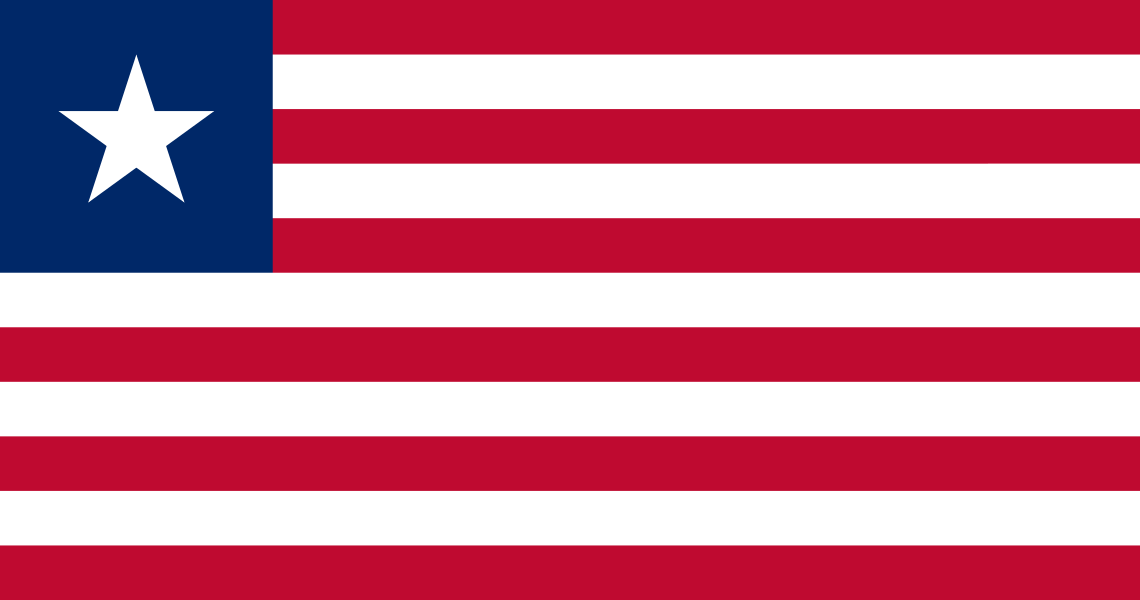 Liberia
Find best meeting timeMonrovia is already loaded in the meeting planner.
12hr|24hr

02:49:41pm
Sunday, October 25, 2026
Monrovia • Africa/Monrovia
Location
Interactive map loads after hydration. Capital coordinates: 6.30°N, -10.80°E.
Compare Times Live
The interactive time comparison grid loads in the live app. After the page hydrates you can add cities, drag rows, and share custom meeting windows.
AFRICAN AMERICAN COLONYBUSH MEAT TRADITIONSIERRA LEONE WAR REFUGEESBOKO HARAM THREATBIRD WATCHING PARADISEUNIQUE KRU LANGUAGEWONDERFUL LAGUNA BEACHNATIONAL PALACE LANDMARKCULTURAL DANCE TRADITIONSFAMOUS LIBERIAN COFFEERUBBER INDUSTRY INFLUENCEVAST RAINFOREST ECOSYSTEMELECTIONS SINCE 1847UNESCO WORLD HERITAGE SITESAFRICAN AMERICAN COLONYBUSH MEAT TRADITIONSIERRA LEONE WAR REFUGEESBOKO HARAM THREATBIRD WATCHING PARADISEUNIQUE KRU LANGUAGEWONDERFUL LAGUNA BEACHNATIONAL PALACE LANDMARKCULTURAL DANCE TRADITIONSFAMOUS LIBERIAN COFFEERUBBER INDUSTRY INFLUENCEVAST RAINFOREST ECOSYSTEMELECTIONS SINCE 1847UNESCO WORLD HERITAGE SITESAFRICAN AMERICAN COLONYBUSH MEAT TRADITIONSIERRA LEONE WAR REFUGEESBOKO HARAM THREATBIRD WATCHING PARADISEUNIQUE KRU LANGUAGEWONDERFUL LAGUNA BEACHNATIONAL PALACE LANDMARKCULTURAL DANCE TRADITIONSFAMOUS LIBERIAN COFFEERUBBER INDUSTRY INFLUENCEVAST RAINFOREST ECOSYSTEMELECTIONS SINCE 1847UNESCO WORLD HERITAGE SITES
Country Information
Capital
MonroviaPopulation
1,767,957
Area
111,369 km²
Largest City
MonroviaDaylight Saving Time (DST)
Not Observed
ISO Code
LR / LBR
Time Zones
1 zone
Languages
English
Currency
Liberian Dollar ($) - $100
Coordinates
Decimal:6.3005, -10.7969
DMS:6°18′02″N, 10°47′49″W
Elevation
Highest:1,380 m
Lowest:0 m
Average:690 m
International Dialing Code
+231
Time Zones
• Africa/Monrovia| GMT (UTC+0)
About Liberia
•Liberia was founded in the early 19th century by freed American slaves who sought to return to Africa.
•The country declared its independence on July 26, 1847, making it the first African republic to do so.
•The national flag of Liberia is similar to the United States flag, reflecting its historical ties to America.
•English is the official language of Liberia, while over 20 indigenous languages are also spoken throughout the country.
•The predominant religions in Liberia are Christianity and indigenous beliefs, with a significant number of the population adhering to both.
•The country's economy is primarily based on agriculture, with rubber, palm oil, and cocoa being major exports.
•Liberia is home to the Sapo National Park, which is the largest protected area in the country and hosts diverse wildlife.
•The cultural heritage of Liberia includes traditional music and dance, often performed during festivals and important ceremonies.
•The country experienced a devastating civil war that lasted from 1989 to 2003, resulting in significant loss and displacement.
•Liberia has rich biodiversity, including many endemic species, due to its tropical rainforest climate.
•The country celebrates Independence Day on July 26th each year with parades, speeches, and cultural festivities.
•Liberian cuisine is known for its use of cassava, rice, and palm oil, with dishes often reflecting the diverse cultural influences within the country.
•The historic Providence Island in Monrovia is significant as the landing site of the first settlers in 1822.
•Liberia is recognized for its contributions to peacekeeping efforts in Africa and has participated in various international missions.
•The country has unique traditional practices, such as the celebration of the Jengu festival, which honors water spirits and is part of the Grebo culture.
Cities in Liberia
Showing 10 cities (top 50 by population + business hubs). Click any city to view detailed time information.
Cities by Population
Related Pages
findtime.io
Popular Cities
v4.6-28-g4f8901461-6476-4f89014
